
 1 date available
Apr 05, 2027 - Apr 09, 2027
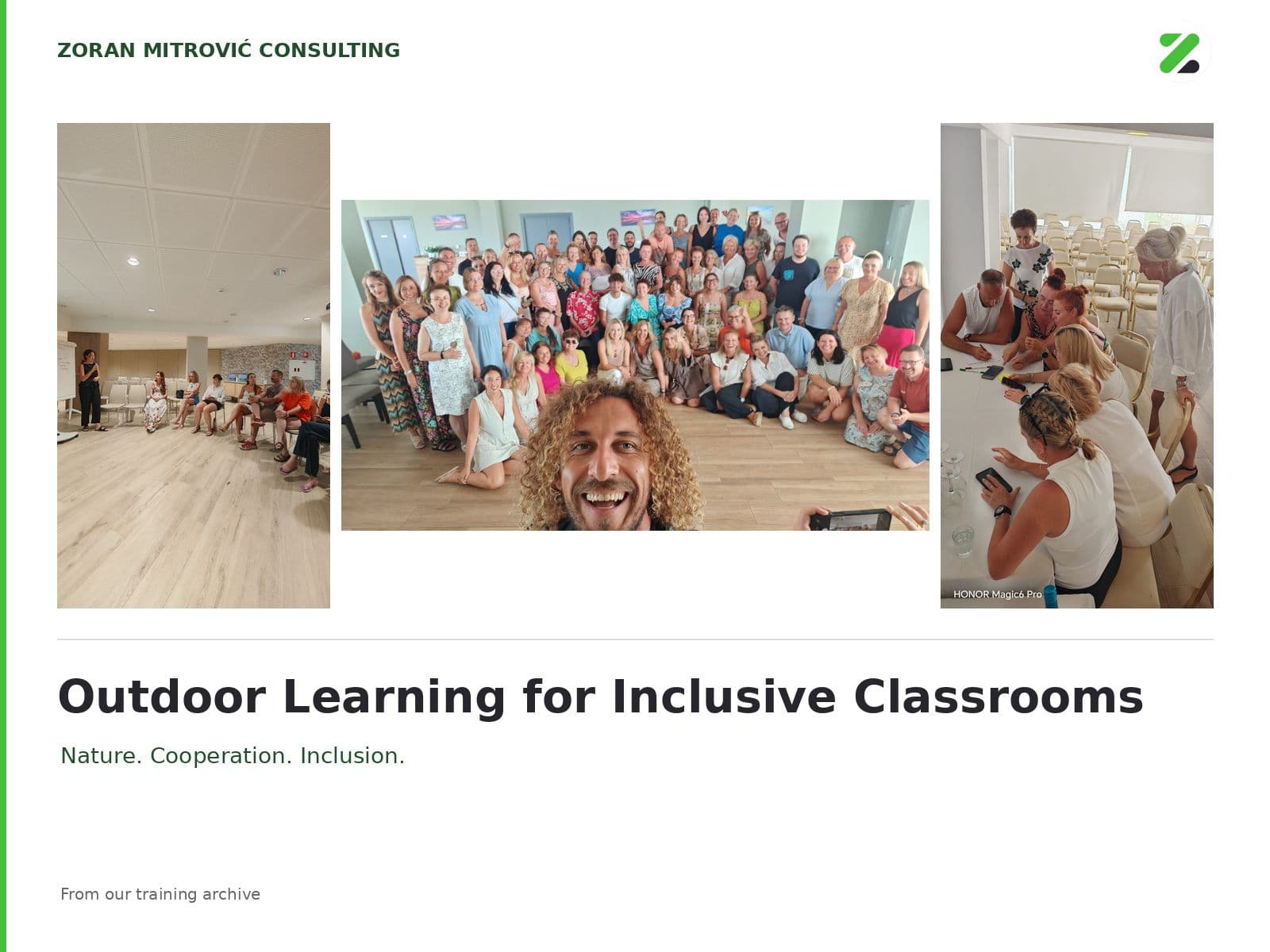
Outdoor learning for inclusive classrooms
Design accessible outdoor activities through nature, cooperation and sustainability.
Las Palmas, SpainEnglish5 days
€400View course
Design inclusive group activities through communication, cooperation and reflection.
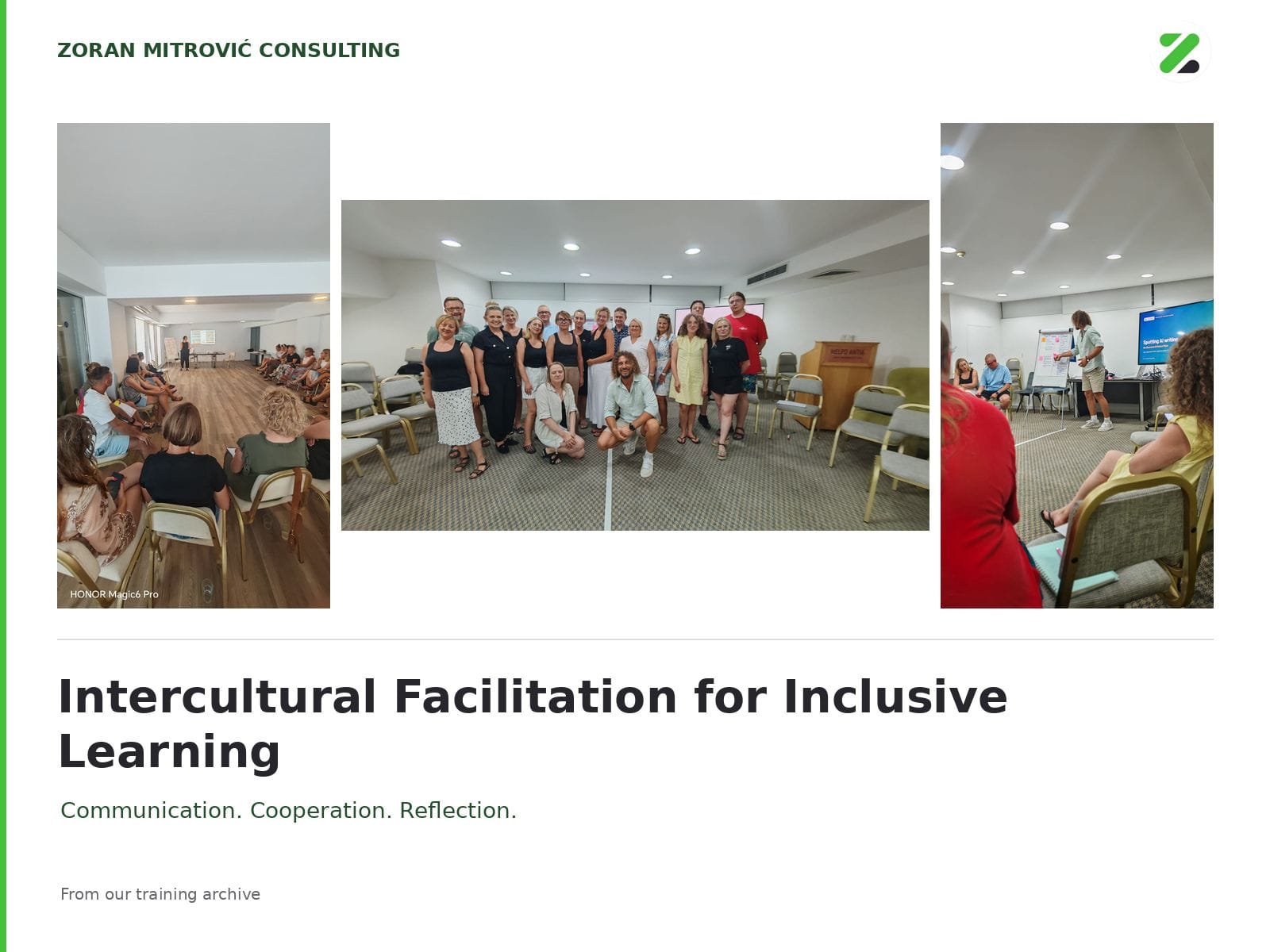
Location: Gran Canaria, Spain.
Design group learning where different languages, experiences and perspectives can be heard without turning people into representatives of a culture. Practise facilitation, cooperation and reflection for international classrooms and projects.
Trainers
Zoran Mitrović works in youth inclusion and intercultural exchanges through O2 por la vida and Eko Fun Kamp. As co-founder of Casa Serbia in Gran Canaria, he develops cultural activities connecting Balkan and Spanish communities.
Aránzazu Rodríguez Mederos holds a master's in professional interpreting and intercultural communication (ULPGC). Her work includes intercultural facilitation, public speaking, youth inclusion and international project coordination.
Proposed: 5 days, 25 facilitated hours. Tuition: EUR 480/person; accommodation, meals and transport excluded. Planned dates are provisional; exact venue and cancellation terms require confirmation. No accredited qualification is promised.
By the end of the proposed course, participants should be able to:
- Set group agreements that support participation, consent and respectful disagreement.
- Design an intercultural activity without reducing people to national stereotypes.
- Use clear language, visual prompts and varied participation roles.
- Facilitate a disagreement scenario and recognise when referral is needed.
- Connect a cooperative task to a stated learning outcome.
- Create an inclusive workshop plan with feedback and a transfer step.
Use an initial reflection, an observer checklist during micro-facilitation, optional participant feedback and a revised workshop plan. Assess instruction clarity, inclusion and connection to the learning goal. Do not assess personal identity, beliefs or willingness to disclose.
Fictional scenario cards, visual instruction templates, role cards, feedback slips and reflection sheets. Provide a paper-based route. Photographs, recordings and personal stories remain optional and require suitable consent.
Tuition: EUR 480/person, five days/25 hours. Accommodation, meals, travel and transfers excluded; extras require a separate offer.
Planned groups: 10-23 participants. Non-binding enquiries; delivery confirmed separately.
Schools/companies may request dedicated training or other dates. Larger groups: email z.mitrovic@zoranmitrovicconsulting.com or contact us via the platform. Send dates, group size and goals; venue, adaptations and group quote agreed separately.
People before labels
Build group agreements and map expectations. Explore the difference between observation and interpretation through fictional cases. Give participants the right to pass and choose how much to share. Output: Group agreements and a reflection-prompt set.
Language and participation
Test clear instructions, visual supports, paired discussion and rotating roles. Observe who is excluded by pace or format. Redesign an activity for different language-confidence levels. Output: An adapted activity with several participation routes.
Perspectives without stereotypes
Analyse fictional classroom and project scenarios. Design a perspective-taking task, checking assumptions, power and representation. Avoid asking anyone to speak for a whole country or community. Output: A scenario-based workshop and an assumption checklist.
Disagreement and cooperation
Practise listening, neutral reframing and pausing a harmful interaction. Work on a shared task with different roles and constraints. Distinguish ordinary disagreement from concerns requiring safeguarding or specialist support. Output: A facilitation response map and cooperative-task brief.
Facilitate and transfer
Run a short workshop for peers, collect anonymous optional feedback and revise the plan. Identify what can be used in school or an international project and what needs local support. Output: A workshop kit and a context-specific follow-up plan.
No reviews yet.
Sign in to review this course. If you booked as a guest, use the personal link in your review email.
More courses
Explore more published courses from this provider.
1 date availableDesign accessible outdoor activities through nature, cooperation and sustainability.
 1 date available
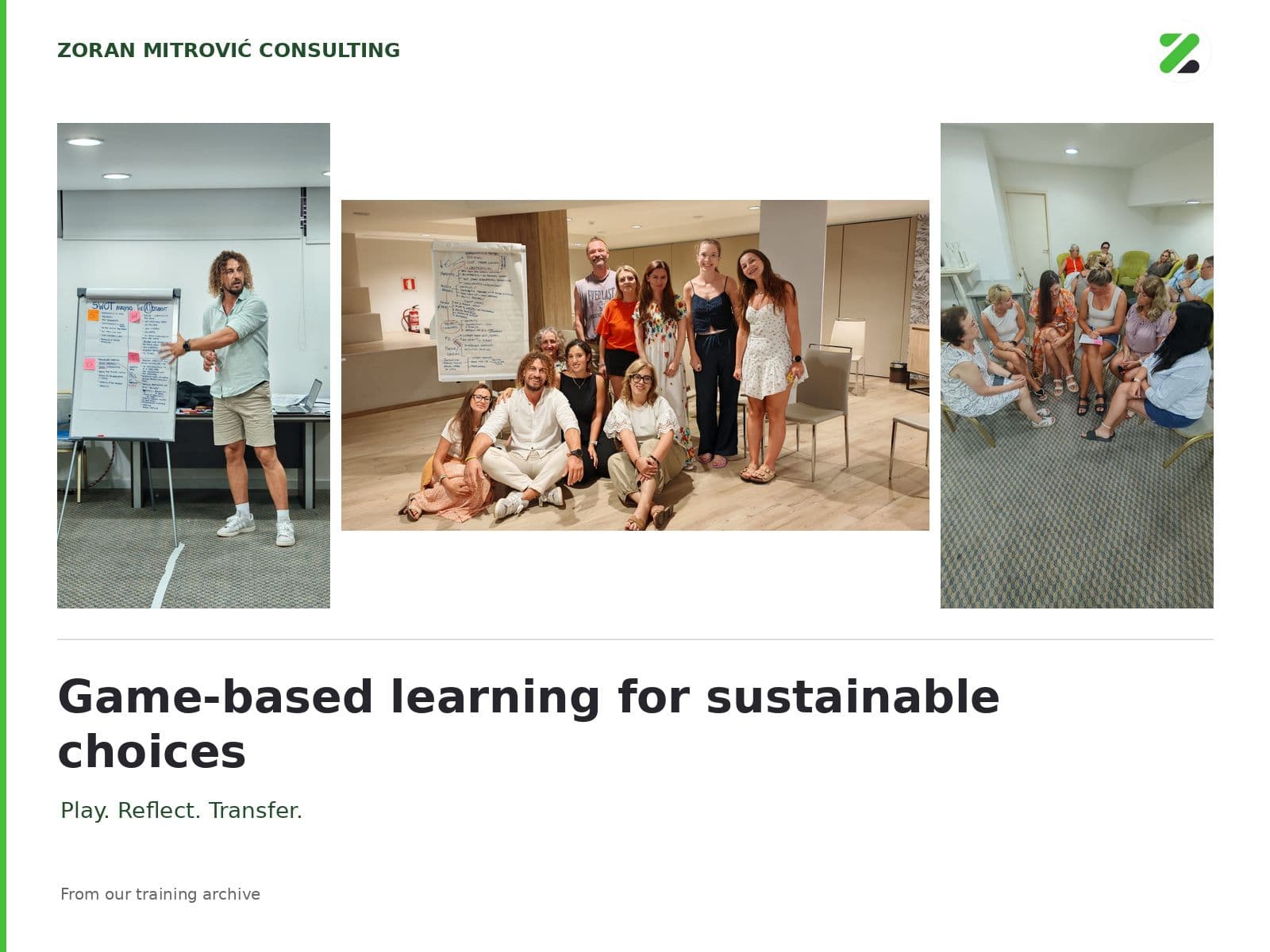
Build and test cooperative sustainability games, then connect play to learning.
 1 date available
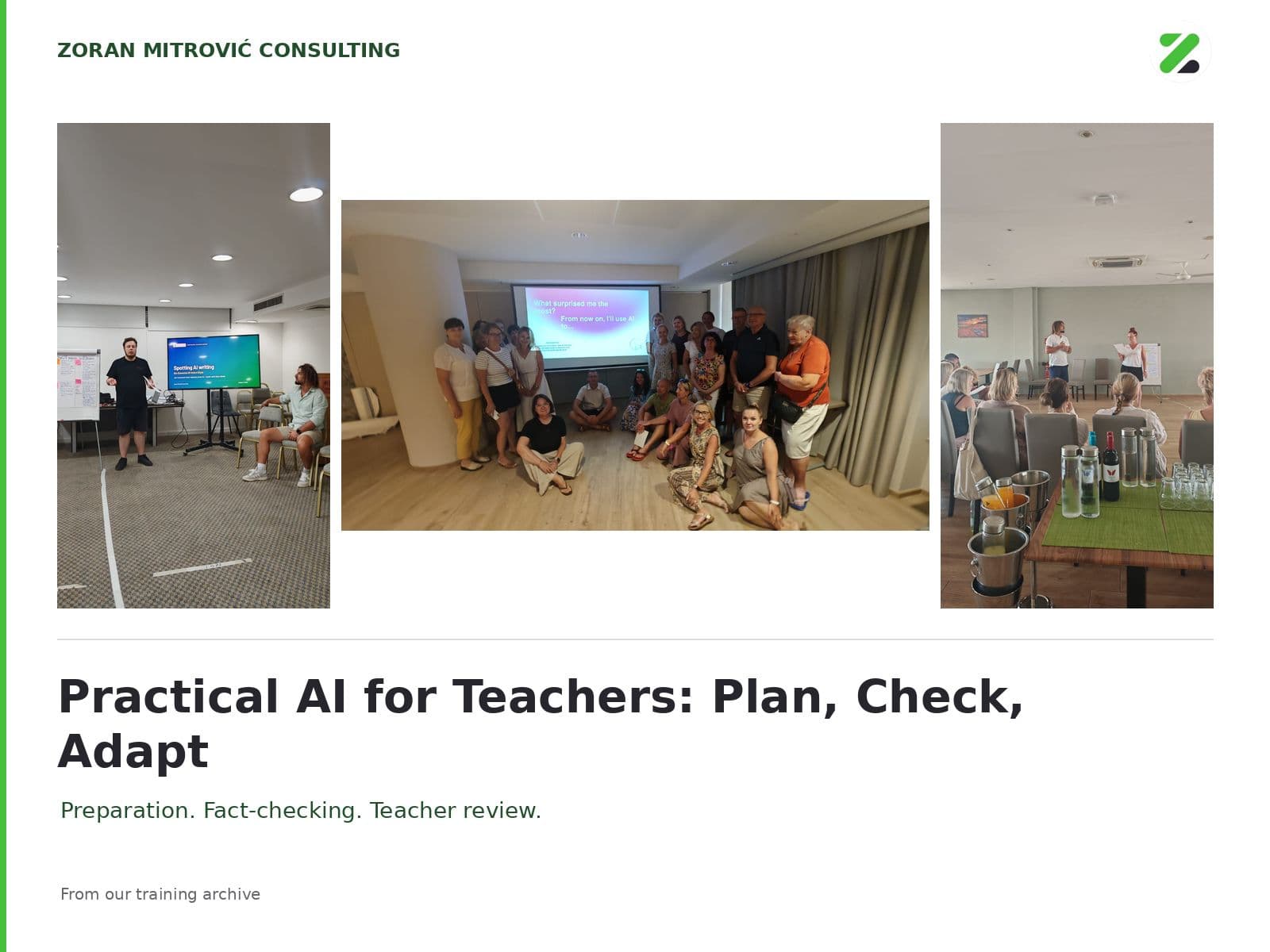
Practise AI-assisted preparation with fact-checking, privacy and teacher review.
Include every learner and support emotional needs in diverse classrooms.
Design real-world projects that build collaboration, creativity and critical thinking.
Teach safe, responsible, creative technology use and collaborative online culture.