
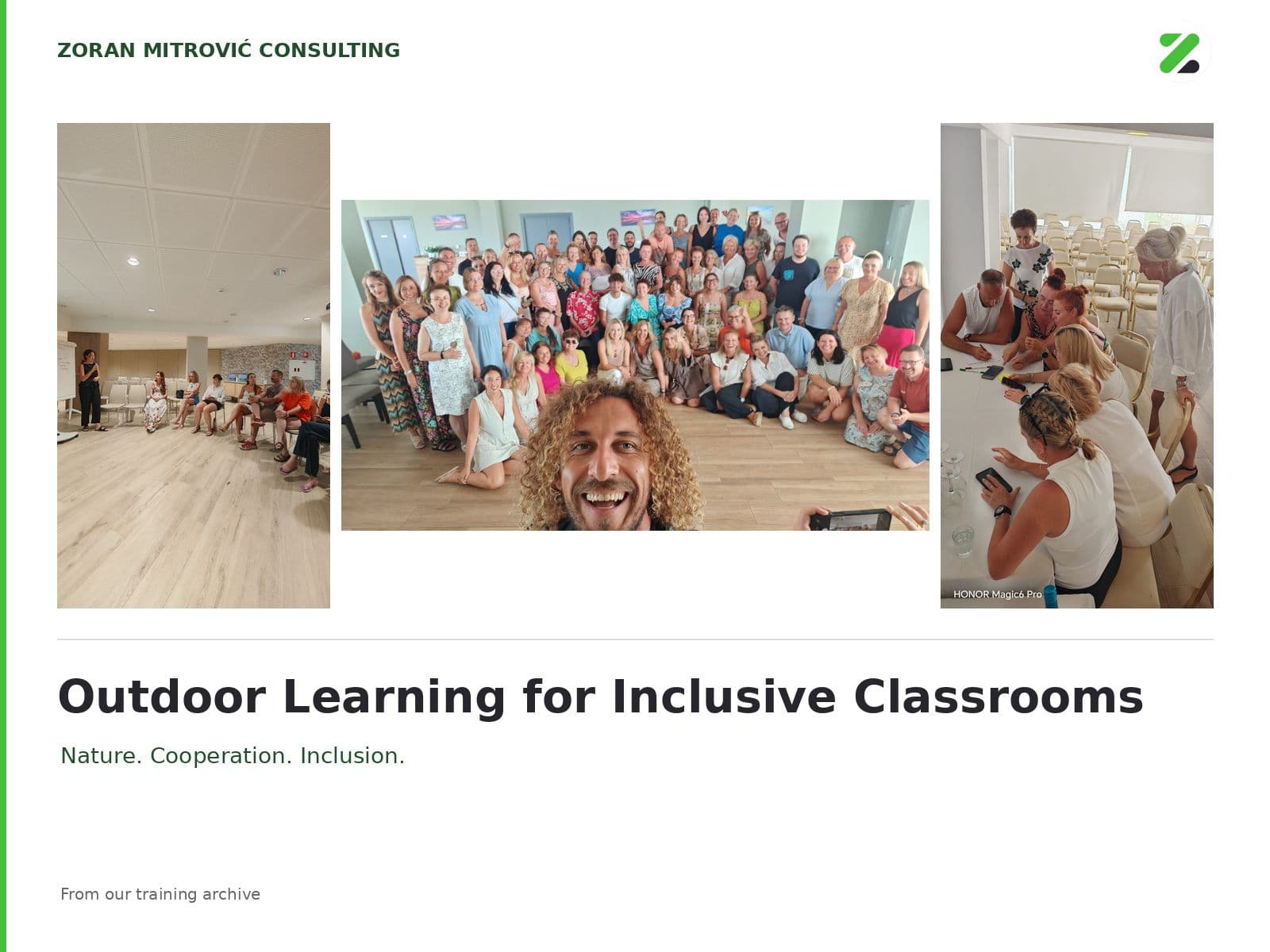
 1 date available
Apr 05, 2027 - Apr 09, 2027
Outdoor learning for inclusive classrooms
Design accessible outdoor activities through nature, cooperation and sustainability.
Las Palmas, SpainEnglish5 days
€400View course
Design real-world projects that build collaboration, creativity and critical thinking.
Location: Gran Canaria, Spain.
Design and run project-based units that connect your subject to real-world challenges and build collaboration, critical thinking, creativity and digital confidence. For teachers, VET educators and trainers. Take home a complete, peer-tested project unit.
Trainers
Zoran Mitrović works in environmental education, youth work and EU projects with O2 por la vida and Eko Fun Kamp. His experience includes outdoor activities, sustainability workshops and educational games.
Aránzazu Rodríguez Mederos coordinates EU projects with O2 por la vida. Her work includes non-formal learning, inclusion and intercultural facilitation. She holds a master's in professional interpreting and intercultural communication (ULPGC).
Proposed: 5 days, 25 facilitated hours. Tuition: EUR 650/person; accommodation, meals and transport excluded. Planned dates are provisional; exact venue and cancellation terms require confirmation.
By the end of the proposed course, participants should be able to:
- Design a project-based learning unit around a driving question linked to their curriculum.
- Scaffold teamwork, roles and student autonomy across a multi-week project.
- Integrate digital tools purposefully for research, creation and presentation.
- Assess 21st-century skills (collaboration, communication, critical thinking, creativity) with rubrics and formative checkpoints.
- Connect projects to the local community, employers or partner schools for authentic audiences.
- Create and peer-review a complete project unit ready to run in their own organisation.
Hands-on design studio format: short inputs, worked examples, small-group prototyping, gallery walks, peer feedback and micro-teaching. Participants develop their own project unit step by step during the week. No activity requires public sharing of personal learner data.
Proposed formative assessment: starting self-assessment, design checkpoints after each studio session, structured peer review, and a final project pitch. Evidence: a project unit plan, assessment rubric and transfer plan. No accredited qualification is promised.
Proposed resources: PBL design canvas, driving-question builder, teamwork scaffolding cards, digital-tool selection guide, 21st-century skills rubrics and a project-pitch template. Participants bring one curriculum topic they want to turn into a project; paper-based participation remains possible. Before delivery: confirm venue and group needs. These are planning needs, not confirmed package inclusions.
Tuition: EUR 650/person, five days/25 hours. Accommodation, meals, travel and transfers excluded; extras require a separate offer.
Planned groups: 10-23 participants. Non-binding enquiries; delivery confirmed separately.
Schools/companies may request dedicated training or other dates. Larger groups: email z.mitrovic@zoranmitrovicconsulting.com or contact us via the platform. Send dates, group size and goals; venue, adaptations and group quote agreed separately.
Foundations of project-based learning
Explore what makes PBL different from traditional tasks: driving questions, sustained inquiry, authenticity and student voice. Analyse strong and weak project examples from different subjects. Output: a draft driving question for your own project.
Designing the project journey
Turn the driving question into a project arc: entry event, milestones, products and a public audience. Map curriculum goals and 21st-century skills onto the journey. Output: a project storyboard.
Collaboration and digital tools in projects
Scaffold teamwork with roles, contracts and check-ins. Select digital tools for research, creation and presentation with attention to privacy and equal access. Output: a collaboration and tooling plan.
Assessing skills, not only products
Build rubrics and formative checkpoints for collaboration, communication, critical thinking and creativity. Practise feedback routines and student self-assessment. Output: an assessment pack for your project.
Pitch, evidence and transfer
Pitch your project unit, collect structured peer feedback and revise it. Assemble the complete unit plan, agree one realistic first step and plan a follow-up reflection. Output: a ready-to-run project unit.
No reviews yet.
Sign in to review this course. If you booked as a guest, use the personal link in your review email.
More courses
Explore more published courses from this provider.
1 date availableDesign accessible outdoor activities through nature, cooperation and sustainability.
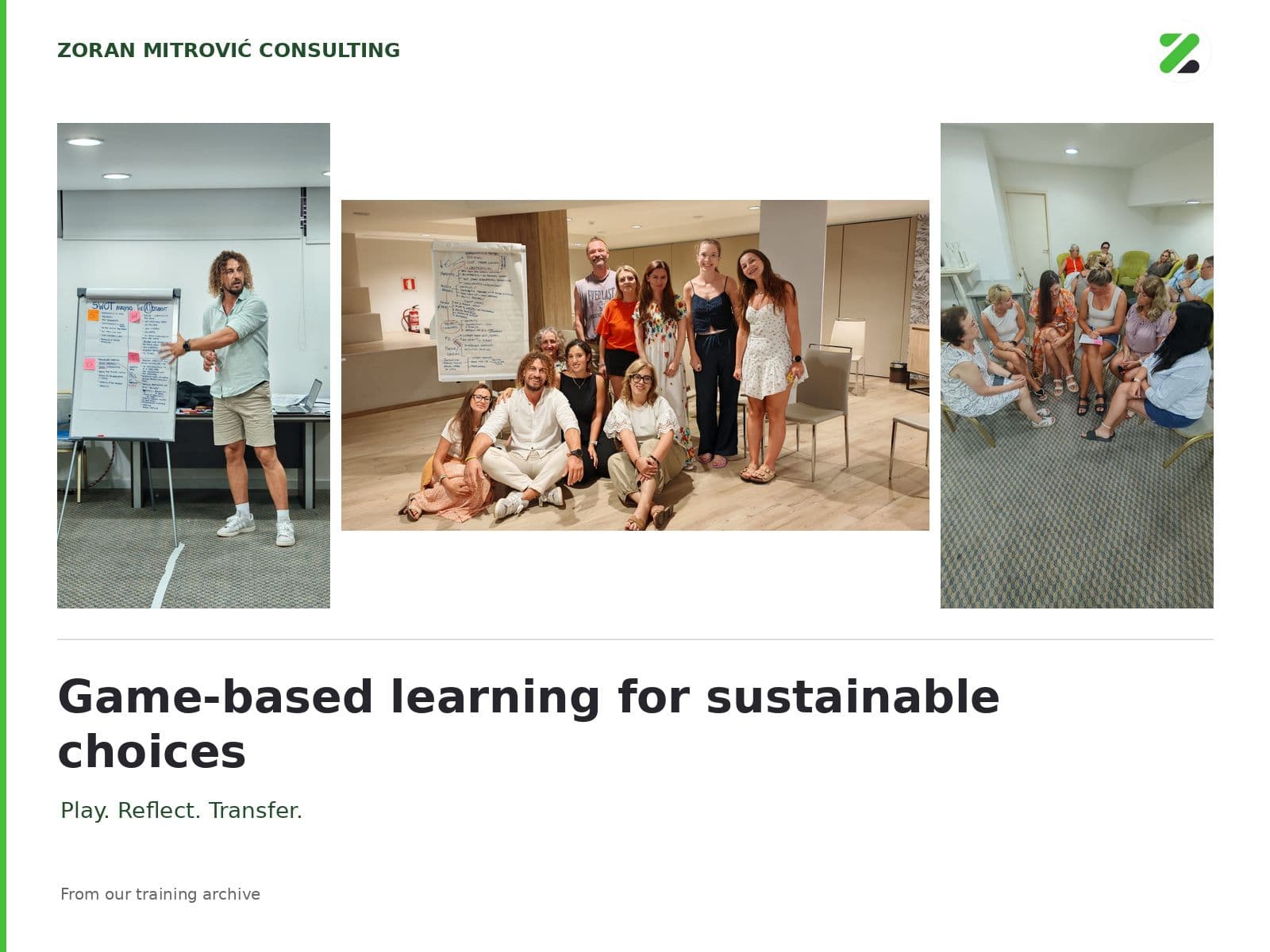 1 date available
Build and test cooperative sustainability games, then connect play to learning.
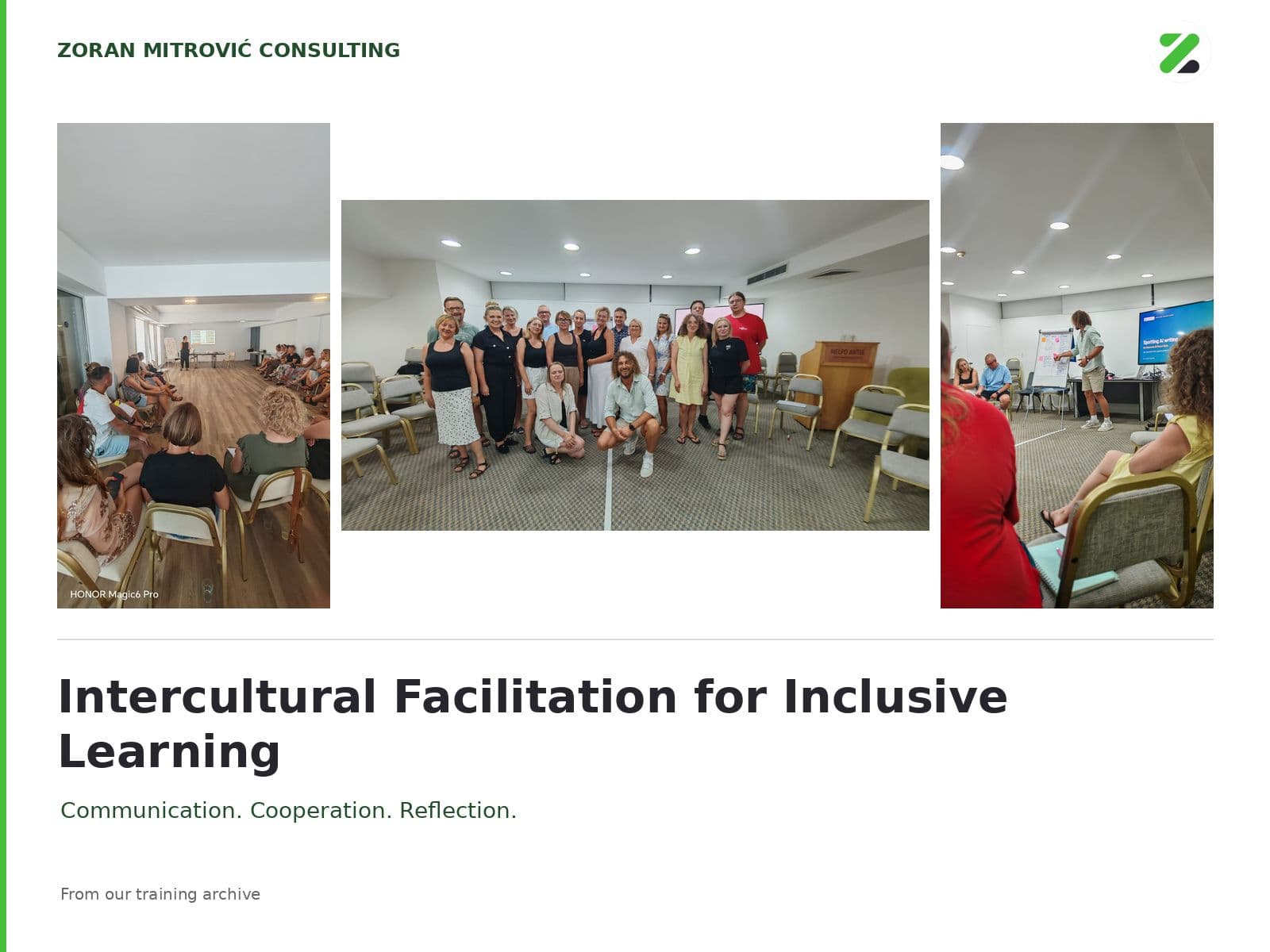 1 date available
Design inclusive group activities through communication, cooperation and reflection.
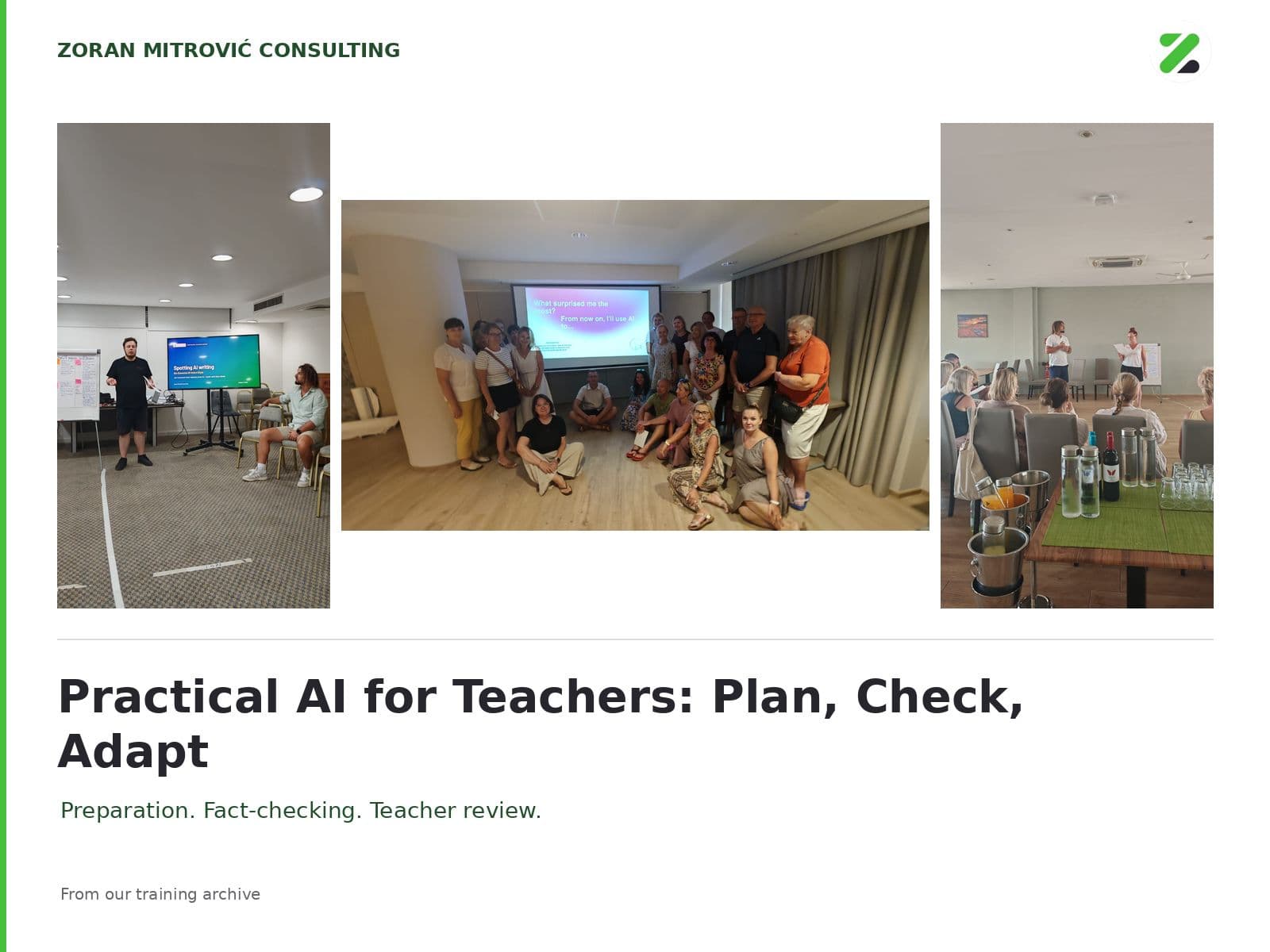 1 date available
Practise AI-assisted preparation with fact-checking, privacy and teacher review.
Include every learner and support emotional needs in diverse classrooms.
Teach safe, responsible, creative technology use and collaborative online culture.